Retire Tax-Smart: Build Income That Lasts
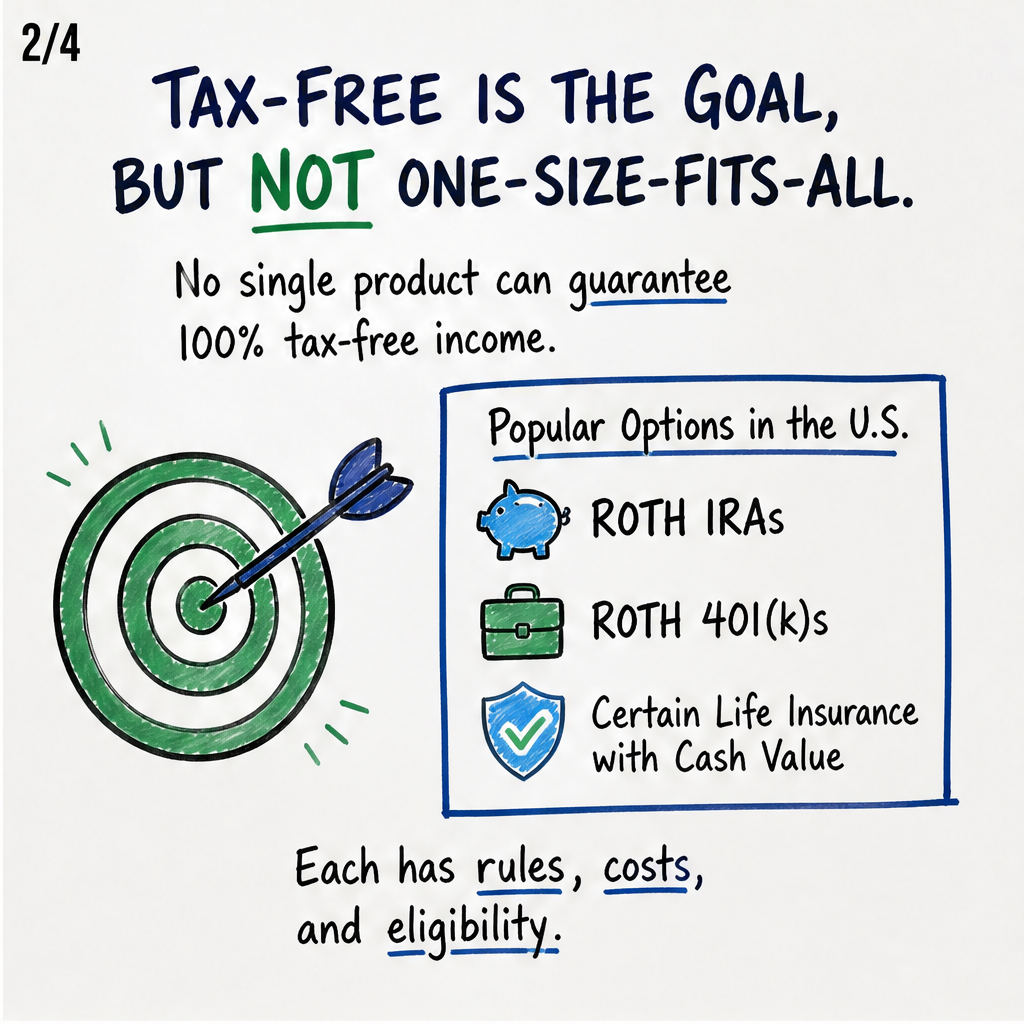
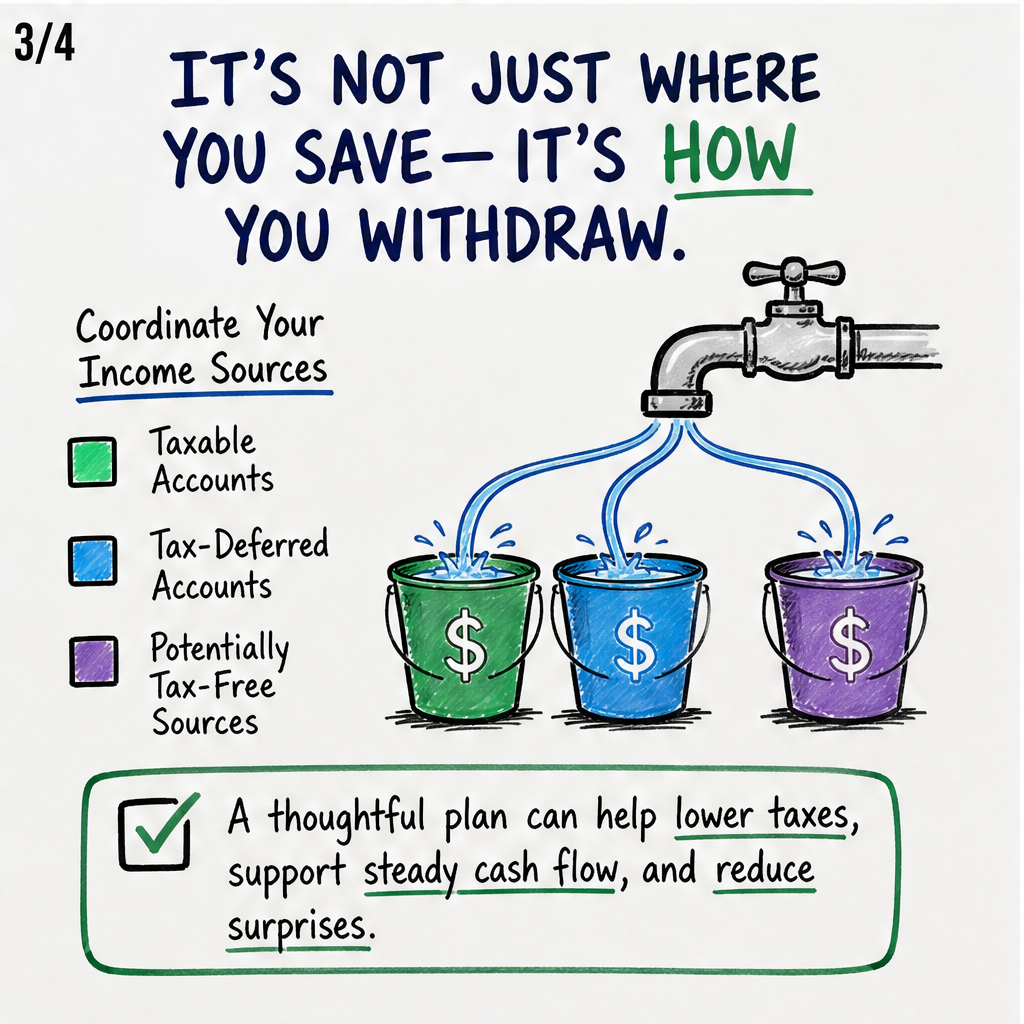
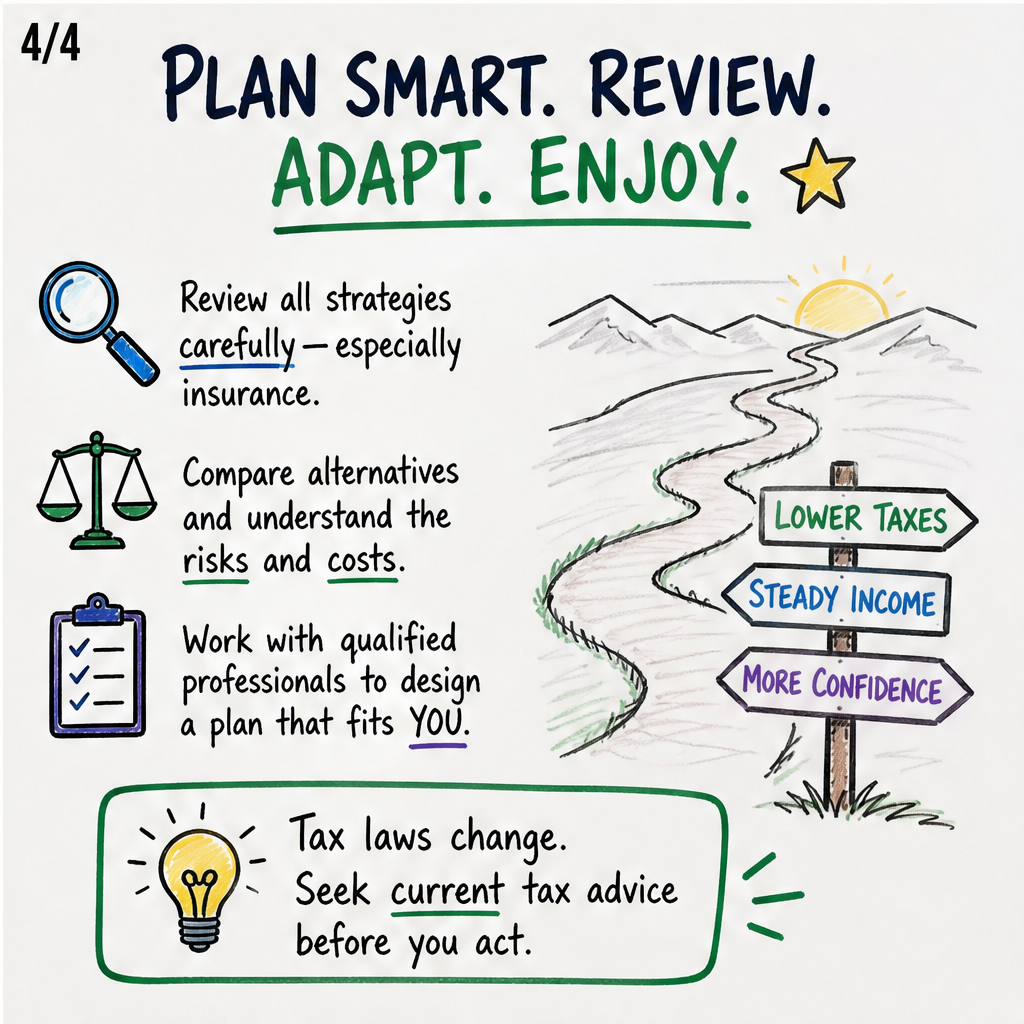
A tax-free retirement is a popular goal, but no single product can guarantee that every dollar of retirement income will be tax-free. In the United States, strategies may include Roth IRAs, Roth 401(k)s, and certain life insurance policies with cash value. Each option has specific contribution rules, tax treatment, costs, and eligibility requirements. The way you withdraw money can be just as important as where you save it. Coordinating taxable accounts, tax-deferred accounts, and potentially tax-free sources may help manage your taxable income over time. A thoughtful withdrawal plan can also support more predictable cash flow and reduce the risk of avoidable tax surprises. Insurance-based strategies require careful review. Policy charges, surrender periods, loan provisions, investment performance, and the risk of lapse can affect results. Before making a decision, compare alternatives and ask how the strategy performs under different market and interest-rate conditions. Your next step is to schedule a personalized retirement income review with qualified professionals. They can help evaluate your goals, tax situation, risk tolerance, and beneficiaries, then explain which approaches may fit best. Tax laws change, so seek current tax advice before acting.